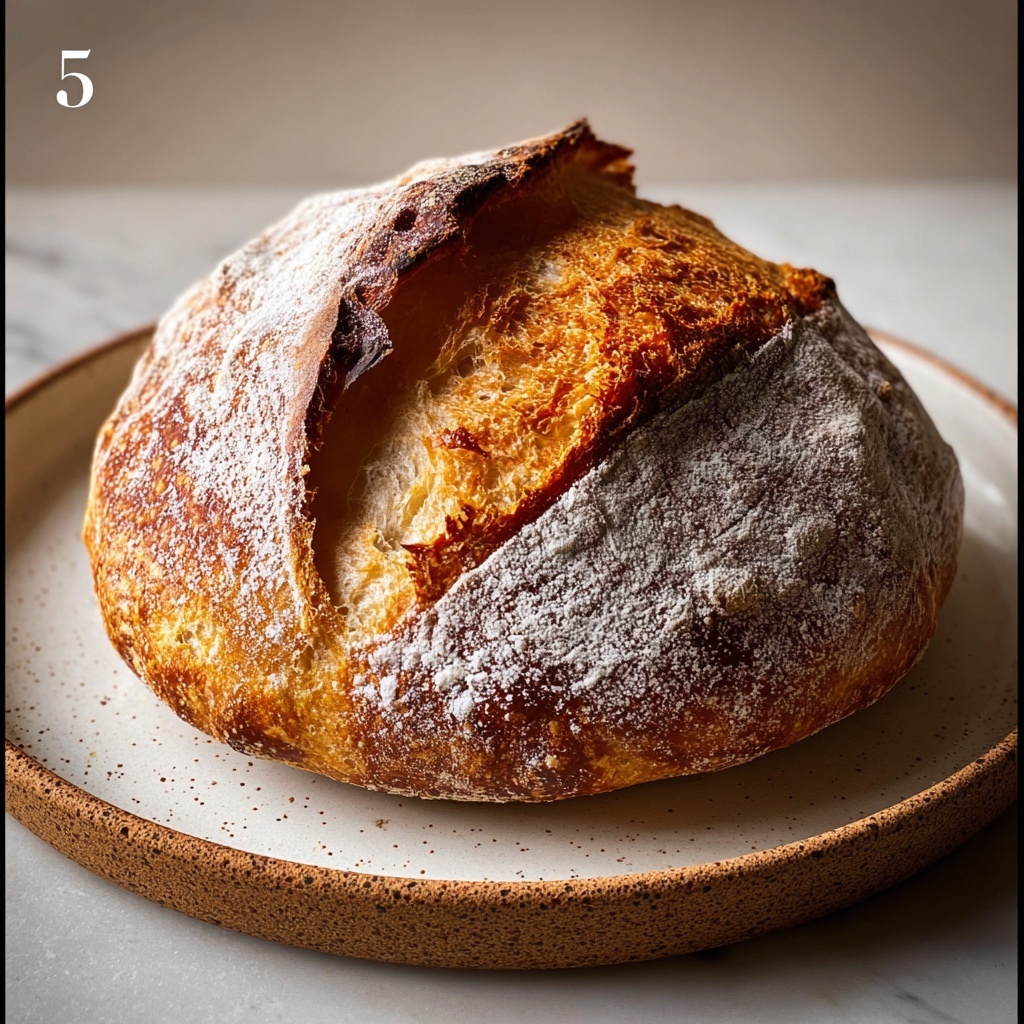
If you’ve ever dreamed of baking bread that tastes like it came straight from a cozy artisan bakery, this Rustic Artisan Einkorn Bread Recipe is your new best friend. Einkorn flour, an ancient grain packed with flavor and nutrition, brings a nutty, rich depth that turns everyday bread into something truly special. With just a handful of simple ingredients and a little patience, you’ll wake up to the intoxicating aroma of homemade bread with a perfectly crisp crust and tender crumb. It’s rustic, wholesome, and utterly irresistible—just like making a warm loaf for your loved ones on a lazy weekend morning.
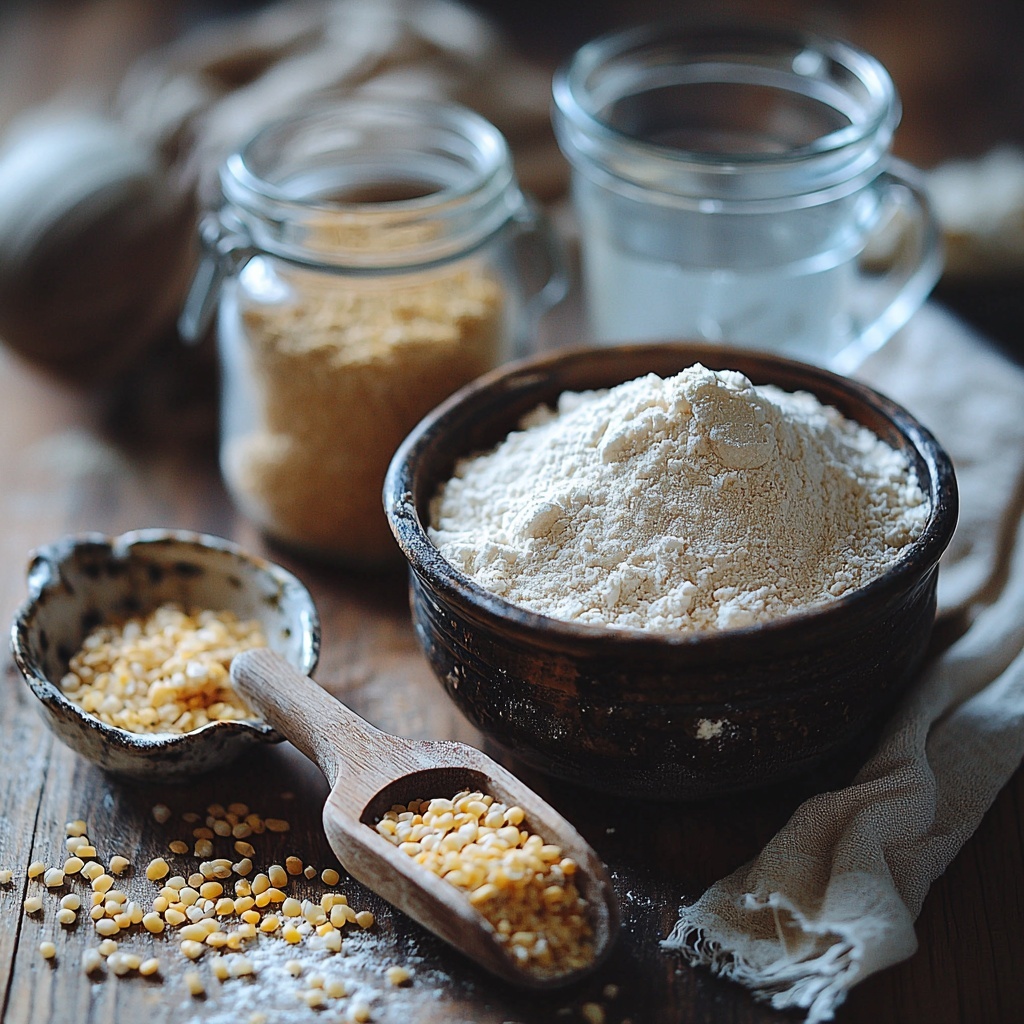
Ingredients You’ll Need
Getting ready to bake this Rustic Artisan Einkorn Bread Recipe is remarkably straightforward because it relies on essential ingredients that harmonize beautifully. Each one plays a crucial role in the bread’s flavor, texture, and that coveted rustic appearance.
- Whole Grain Einkorn Flour: The star of the show, this ancient flour adds a nutty flavor and hearty texture that makes the bread uniquely delicious.
- Sea Salt: Enhances flavor while balancing the natural sweetness of the einkorn flour, giving the bread depth and complexity.
- Instant Yeast: Helps the dough rise with ease and creates those inviting air pockets that make artisan bread so delightful.
- Warm Water (about 100°F): Activates the yeast gently, encouraging a slow and flavorful fermentation.
- Cornmeal or Additional Flour for Dusting: Prevents sticking and adds a rustic, artisanal finish to the crust.
How to Make Rustic Artisan Einkorn Bread Recipe
Step 1: Combine Dry Ingredients
Start by whisking together the whole grain einkorn flour, sea salt, and instant yeast in a large mixing bowl. This ensures even distribution, which is key to a consistent rise and flavors that marry beautifully throughout the bread.
Step 2: Mix in Warm Water
Gradually pour warm water into your dry ingredients while stirring with a wooden spoon. Aim for a shaggy, sticky dough—this loose texture is perfect for the slow fermentation that develops incredible flavor and a tender crumb.
Step 3: First Rise
Cover your bowl with a clean kitchen towel or plastic wrap and let it rest at room temperature for 12 to 18 hours. This long, slow rise allows the flavors to deepen and the dough to double in size, Puffy bubbles on the surface signal it’s ready for the next step.
Step 4: Shape the Dough
Lightly flour your work surface and gently turn the dough out. Fold it just a few times to form a loose ball—being gentle here keeps the airy bubbles intact and ensures that lovely open crumb inside.
Step 5: Prepare for the Second Rise
Place the dough seam side down onto a parchment-lined baking sheet or pizza peel dusted with cornmeal or flour. Cover it again and let it rise for another 1 to 2 hours until puffed up and springy to the touch.
Step 6: Preheat Oven and Dutch Oven
While your dough completes its final rise, preheat your oven to a scorching 450°F (230°C). Put a Dutch oven or any heavy, oven-safe pot with its lid inside to heat up for about 30 minutes—this will give your bread that iconic crust and perfect bake.
Step 7: Bake the Bread
Carefully remove the hot Dutch oven, take off the lid, and transfer the dough along with the parchment paper inside. Cover and bake for 30 minutes, then uncover and continue baking for 10 to 15 minutes more until the crust turns beautifully golden and the loaf sounds hollow when tapped.
Step 8: Cool Before Slicing
Once out of the oven, transfer the bread to a wire rack to cool completely. This cooling step is crucial for setting the crumb so each slice stays perfect and maintains its delightful texture.
How to Serve Rustic Artisan Einkorn Bread Recipe
Garnishes
Rustic Artisan Einkorn Bread is wonderful on its own, but you can elevate it with a smear of creamy butter sprinkled with flaky sea salt or a drizzle of fragrant honey. Fresh herbs like rosemary or thyme also make fantastic garnishes that complement the bread’s earthy tones.
Side Dishes
This bread pairs beautifully with soups like tomato basil or hearty vegetable stew, making every bite a luscious combination of textures and flavors. Additionally, it’s excellent alongside a cheese platter—imagine sharp cheddars or soft goat cheeses with fruit preserves to create a memorable spread.
Creative Ways to Present
Turn your Rustic Artisan Einkorn Bread into an edible centerpiece by slicing and arranging it in a basket lined with a linen cloth or tearing it into rustic pieces on a wooden board alongside olives, nuts, and fresh produce. Toasting slices and topping with avocado or smoked salmon also makes for a stunning brunch treat.
Make Ahead and Storage
Storing Leftovers
Store any leftover bread in a paper bag or wrapped in a clean kitchen towel at room temperature. This helps maintain the crust’s crispness while preventing the bread from becoming too dry or stale within 2 to 3 days.
Freezing
If you want to keep your Rustic Artisan Einkorn Bread longer, slice it and place the slices in a freezer-safe bag. Frozen bread keeps well for up to 3 months and can be toasted directly from frozen for convenience without sacrificing flavor or texture.
Reheating
To bring back that fresh-baked warmth and crisp crust, gently heat the loaf in a 350°F oven for 10 to 15 minutes. If reheating slices, a toaster or oven broiler works beautifully to revive that perfect crunch with minimal fuss.
FAQs
What makes einkorn flour different from regular wheat flour?
Einkorn is one of the oldest cultivated grains, known for its nutty flavor and higher protein content. It has a different gluten structure, which creates a tender crumb while adding rich, complex flavor to the bread compared to modern wheat.
Can I substitute regular flour in this Rustic Artisan Einkorn Bread Recipe?
While you can substitute all-purpose or bread flour, the unique flavor and texture of this bread come from einkorn. Using other flours will change the taste and may require adjustments in water since einkorn absorbs liquid differently.
Why does the dough need such a long rise time?
The long, slow rise allows natural fermentation to develop, enhancing flavor, improving digestibility, and creating those prized air pockets inside the bread. Patience here is key to unlocking the full artisan character of the loaf.
Can I use a bread machine for this recipe?
This Rustic Artisan Einkorn Bread Recipe relies on gentle handling and long fermentation, which can be tricky in a bread machine. However, you might try mixing in a machine but follow the manual shaping and baking steps for the best results.
How do I know when the bread is fully baked?
The bread is done when it has a deep golden crust and sounds hollow when you tap the bottom. An internal temperature of about 205°F also means it’s perfectly baked and ready to enjoy.
Final Thoughts
Baking this Rustic Artisan Einkorn Bread Recipe is like giving yourself a warm, delicious hug from the inside out. With just a few simple ingredients and a little love, you’ll create a wholesome loaf that feels rustic, comforting, and genuinely special. Give it a try—you’ll be amazed how this beautiful bread can elevate any meal or snack time.
Print
Rustic Artisan Einkorn Bread Recipe
- Prep Time: 15 minutes
- Cook Time: 45 minutes
- Total Time: 13 to 19 hours (including rising time)
- Yield: 1 large rustic loaf (about 1.5 to 2 pounds)
- Category: Bread
- Method: Baking
- Cuisine: Artisan
- Diet: Vegetarian
Description
This Rustic Artisan Einkorn Bread recipe features a simple, no-knead method using whole grain einkorn flour. The dough requires a long overnight rise, developing a bubbly and flavorful texture. Baked in a preheated Dutch oven, this bread has a crisp, golden crust and chewy crumb that showcases the unique nutty flavor of ancient einkorn wheat. Perfect for artisan bread lovers seeking a wholesome, naturally leavened loaf with minimal hands-on time.
Ingredients
Dry Ingredients
- 4 cups (480g) Whole Grain Einkorn Flour
- 1 1/2 teaspoons (9g) sea salt
- 3/4 teaspoon (3g) instant yeast
Wet Ingredients
- 1 1/2 cups (360ml) warm water (about 100°F)
For Dusting
- Cornmeal or additional flour
Instructions
- Combine Dry Ingredients: In a large mixing bowl, whisk together the whole grain einkorn flour, sea salt, and instant yeast until evenly mixed to ensure an even rise.
- Add Warm Water: Gradually pour in the warm water while stirring with a wooden spoon until a shaggy, sticky dough forms. Avoid overmixing to maintain the desired loose texture.
- First Rise: Cover the bowl with a clean kitchen towel or plastic wrap and allow the dough to rise at room temperature for 12 to 18 hours until it doubles in size and becomes bubbly on the surface.
- Shape the Dough: Lightly flour a work surface and gently turn the dough out, folding it just a few times to form a loose ball, being careful not to deflate the air bubbles.
- Prepare Baking Surface: Line a baking sheet or pizza peel with parchment paper and dust it with cornmeal or flour to prevent sticking. Place the dough seam-side down on the prepared surface.
- Second Rise: Cover the dough again with the towel and let it rise for another 1 to 2 hours until puffed up.
- Preheat Oven and Dutch Oven: Set your oven to 450°F (230°C) and place a Dutch oven or heavy oven-safe pot with the lid inside to heat for 30 minutes.
- Transfer Dough to Dutch Oven: Carefully remove the hot Dutch oven from the oven, take off the lid, and transfer the dough with the parchment paper into the pot quickly and gently.
- Bake Covered: Cover the Dutch oven with the lid and bake the bread for 30 minutes to develop steam and a moist crumb.
- Bake Uncovered: Remove the lid and bake for an additional 10 to 15 minutes until the crust turns golden brown and the loaf sounds hollow when tapped on the bottom.
- Cool Before Slicing: Remove the bread from the pot and set it on a wire rack to cool completely before slicing to ensure the crumb sets properly.
Notes
- Warm water should be around 100°F to activate the yeast without killing it.
- Do not overmix the dough; a sticky, shaggy texture is expected for this no-knead bread.
- Use a Dutch oven or a heavy oven-proof pot with a lid to mimic steam baking, which gives the crust a beautiful crispness.
- Allowing the bread to cool fully before slicing prevents a gummy crumb.
- If you do not have a Dutch oven, use a baking stone with a pan of water in the oven to create steam.