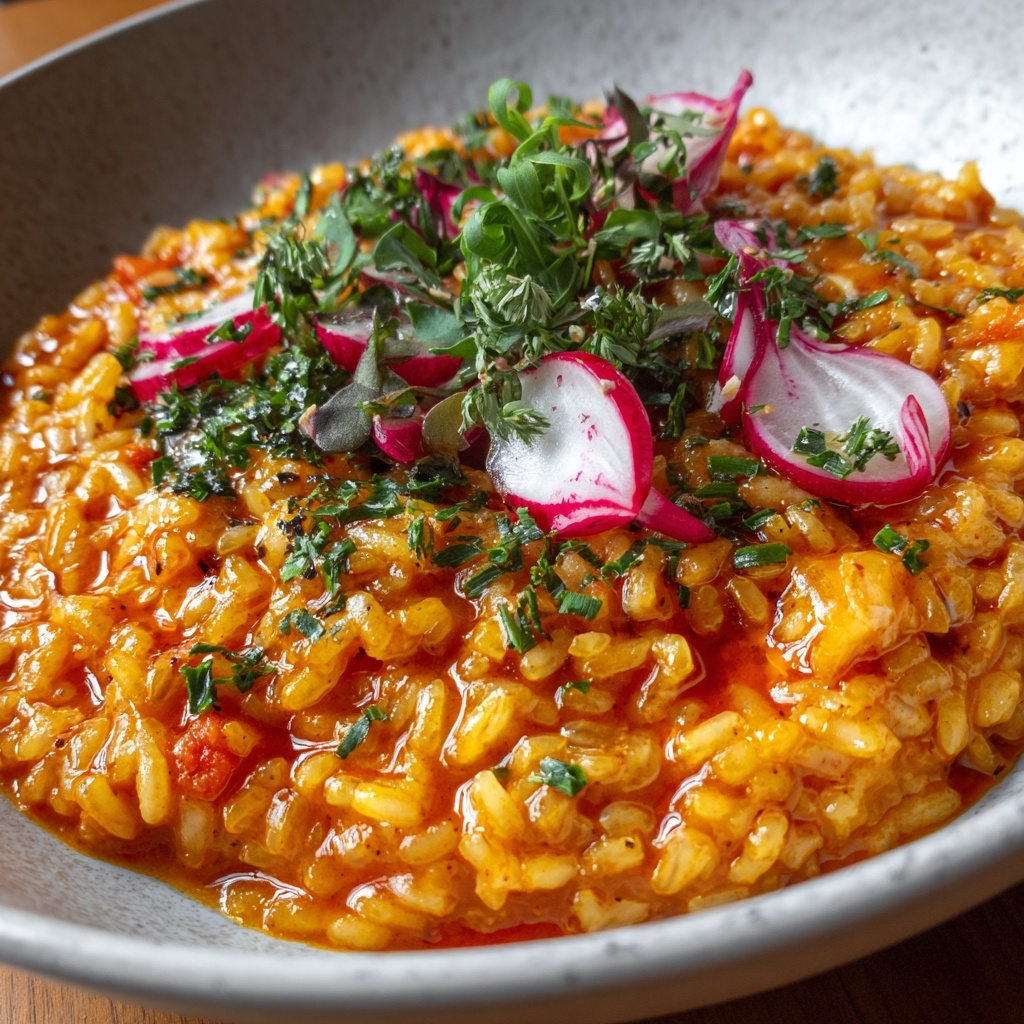
If you love the comforting creaminess of traditional risotto but are craving a bold, spicy twist, this Cheesy Gochujang Risotto Recipe is your new best friend in the kitchen. It perfectly marries the luscious melt of Parmesan and mozzarella with the fiery, tangy punch of gochujang, the iconic Korean chili paste. This dish is a delightful fusion that feels indulgent yet approachable, transforming simple ingredients into a bowl of rich, velvety comfort that’s sure to make any meal special.
Ingredients You’ll Need
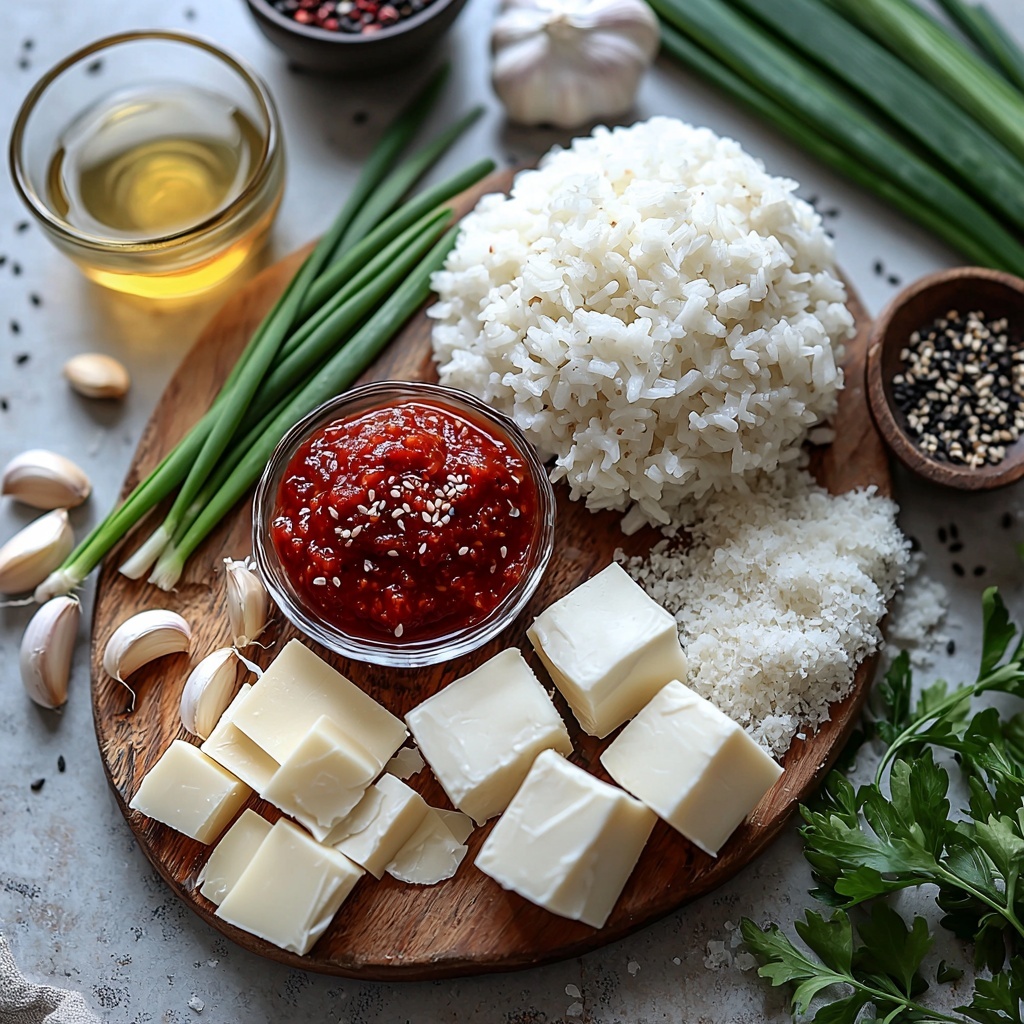
This recipe relies on straightforward ingredients that work together to create layers of flavor and velvety texture. Each component is essential to balance creaminess, heat, and the perfect risotto consistency, making it both a simple and rewarding cooking experience.
- Olive oil: Provides a smooth base to gently cook the aromatics, adding a subtle fruity note.
- Small onion, finely chopped: Brings sweetness and depth as it softens.
- Garlic, minced: Adds a fragrant punch that complements the gochujang’s heat.
- Arborio rice: The classic risotto rice that absorbs flavors beautifully while giving you that creamy texture.
- Dry white wine (optional): Introduces a bright acidity that lifts the richness of the dish.
- Low-sodium chicken or vegetable broth: Keeps the dish moist and flavorful without overpowering it.
- Gochujang: The star of this recipe, offering a complex heat with sweet, spicy, and umami notes.
- Grated Parmesan cheese: Adds a salty, nutty flavor that melts into the rice.
- Shredded mozzarella cheese: Brings gooey creaminess and stretch to the dish.
- Unsalted butter: Enriches the risotto with a silky finish and extra depth.
- Salt and black pepper: For seasoning that ties everything together.
- Chopped scallions or sesame seeds (optional garnish): Provide a fresh, crunchy contrast and a pop of color.
How to Make Cheesy Gochujang Risotto Recipe
Step 1: Sauté the Aromatics
Begin by warming olive oil in a large saucepan over medium heat. Toss in your finely chopped onion and cook it until it turns translucent and tender—about 3 to 4 minutes. Then stir in the minced garlic and let it cook for just 30 seconds. This simple step builds the flavorful foundation your risotto needs to shine.
Step 2: Toast the Rice
Add the Arborio rice directly into the pan with the softened onions and garlic. Toast it for 1 to 2 minutes while stirring constantly. This step is crucial as it helps the rice release its starch later, which is key for achieving that creamy risotto texture.
Step 3: Add the Wine
If you’re using white wine, pour it in now, letting it gently simmer and reduce until nearly all of the liquid is absorbed. The wine’s acidity counters the richness that will come later, adding a vibrant layer of flavor to the dish.
Step 4: Gradually Incorporate Broth
Now, the patient part begins. Add your warm broth by the ladleful, stirring frequently and waiting for each addition to almost fully absorb before adding the next. This process ensures your rice cooks evenly and gets beautifully creamy. About 15 minutes in, stir in the gochujang—this is where your risotto gets its signature spicy, savory kick.
Step 5: Finish with Cheeses and Butter
Continue adding broth until the rice is tender and creamy, roughly 20 to 25 minutes total cooking time. Off the heat, fold in the Parmesan, mozzarella, and butter. This last step melts the cheeses perfectly into the risotto, giving it a silky, cheesy finish that is utterly irresistible. Season to taste with salt and black pepper.
How to Serve Cheesy Gochujang Risotto Recipe
Garnishes
To make your Cheesy Gochujang Risotto Recipe truly pop, sprinkle chopped scallions or sesame seeds on top. These garnishes not only look appealing but add a lovely crunch and fresh bite that balances the richness beautifully. If you want to elevate it further, a drizzle of toasted sesame oil works wonders.
Side Dishes
This risotto is a star on its own, but pairing it with some crisp green vegetables or a light kimchi salad will cut through the creaminess and bring a refreshing brightness. Grilled shrimp or seared tofu also complement the fusion flavors, turning your meal into an impressive feast.
Creative Ways to Present
For a special occasion, serve your risotto in individual shallow bowls topped with a soft-boiled egg or sautéed mushrooms for added texture and richness. You can also spread it in a shallow dish, let it cool slightly, and cut it into squares to pan-fry crispy risotto cakes—a fun and delicious twist on this cheesy Korean-inspired fusion classic.
Make Ahead and Storage
Storing Leftovers
If you happen to have leftovers—which might be tough considering how good this risotto is—transfer them to an airtight container and refrigerate for up to 2 days. The flavors actually deepen overnight, making for an excellent next-day meal.
Freezing
Risotto generally loses its signature creaminess when frozen, but if needed, place leftovers in a freezer-safe container and freeze for up to 1 month. Thaw overnight in the refrigerator before reheating for best results.
Reheating
When reheating, add a splash of broth or water to loosen the texture and warm slowly on the stovetop or microwave, stirring occasionally. This restores the creamy consistency and keeps the gochujang flavor vibrant.
FAQs
Can I make this risotto vegan?
Absolutely! Simply swap the chicken broth for vegetable broth, and replace the Parmesan and mozzarella with your favorite plant-based cheeses or nutritional yeast for that savory bite.
How spicy is the Cheesy Gochujang Risotto Recipe?
The heat level depends on how much gochujang you add. Start with 1 tablespoon and adjust to your preference. Gochujang offers a balanced heat that’s more tangy and sweet than overwhelmingly spicy.
What if I don’t have Arborio rice?
Arborio is best for risotto because of its starch content, but you can experiment with other short-grain rice varieties. Just keep in mind the texture will differ, and cooking times may vary.
Can I skip the wine in this recipe?
Yes, the wine is optional. If you omit it, just add a little more broth and a splash of lemon juice or vinegar for brightness to keep the flavors balanced.
Is gochujang very hard to find?
Gochujang is now widely available in many grocery stores’ international aisles or Asian markets, and it’s also easy to order online. Having a jar on hand is great for adding an instant burst of umami and spice to numerous dishes, so it’s worth stocking up!
Final Thoughts
Trying out this Cheesy Gochujang Risotto Recipe is like embarking on a delightful flavor adventure that combines comforting, creamy risotto with the exciting heat and depth of Korean cuisine. It’s a simple yet extraordinary dish that’s perfect for warming up chilly nights or impressing friends with your creative cooking chops. I can’t wait for you to make it and savor every spoonful of this cheesy, spicy goodness!
Print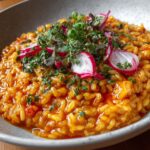
Cheesy Gochujang Risotto Recipe
- Prep Time: 10 minutes
- Cook Time: 25 minutes
- Total Time: 35 minutes
- Yield: 4 servings
- Category: Main Course
- Method: Stovetop
- Cuisine: Korean-Inspired, Fusion
- Diet: Vegetarian
Description
This Cheesy Gochujang Risotto is a delicious fusion dish that combines the creamy texture of traditional Italian risotto with the spicy, savory flavor of Korean gochujang. Perfect as a comforting main course, it features tender Arborio rice cooked slowly with broth, garlic, and onion, then enriched with cheeses and a touch of butter for richness. The gochujang adds a vibrant kick that perfectly balances the creaminess.
Ingredients
Base Ingredients
- 1 tablespoon olive oil
- 1 small onion, finely chopped
- 2 cloves garlic, minced
- 1 cup Arborio rice
- 1/4 cup dry white wine (optional)
Liquid and Seasoning
- 4 cups low-sodium chicken or vegetable broth, kept warm
- 1–2 tablespoons gochujang (Korean chili paste)
- Salt and black pepper to taste
Cheese and Finishing
- 1/2 cup grated Parmesan cheese
- 1/2 cup shredded mozzarella cheese
- 1 tablespoon unsalted butter
Garnishes (Optional)
- Chopped scallions
- Sesame seeds
Instructions
- Sauté Aromatics: In a large saucepan, heat olive oil over medium heat. Add the finely chopped onion and cook until translucent, approximately 3–4 minutes. Stir in minced garlic and cook for an additional 30 seconds until fragrant.
- Toast Rice: Add Arborio rice to the pan and stir continuously for 1–2 minutes to lightly toast the rice and coat it in the oil, enhancing its flavor and texture.
- Deglaze with Wine: If using white wine, pour it into the pan now and allow it to simmer, stirring occasionally, until the liquid is mostly absorbed by the rice.
- Add Broth Gradually: Begin adding the warm broth one ladle at a time. Stir often and wait for the rice to absorb most of the liquid before adding the next ladle. This process helps release the rice’s starch and create a creamy texture.
- Incorporate Gochujang: After about 15 minutes of cooking and stirring, stir in 1 to 2 tablespoons of gochujang to infuse the risotto with its signature spicy, savory Korean flavor. Continue adding broth and stirring until the rice is tender and creamy, about 20–25 minutes total.
- Finish with Cheese and Butter: Remove the pan from heat. Stir in grated Parmesan, shredded mozzarella, and unsalted butter until everything is melted and the mixture is smooth and creamy.
- Season and Serve: Taste the risotto and season with salt and freshly ground black pepper as needed. Serve hot, garnished with chopped scallions or sesame seeds if desired for added freshness and texture.
Notes
- Adjust the amount of gochujang to suit your preferred level of spiciness.
- For extra richness and protein, consider topping the risotto with a soft-boiled egg or grilled shrimp.
- This dish is best enjoyed immediately for optimal texture, but leftovers can be gently reheated with a splash of broth to restore creaminess.